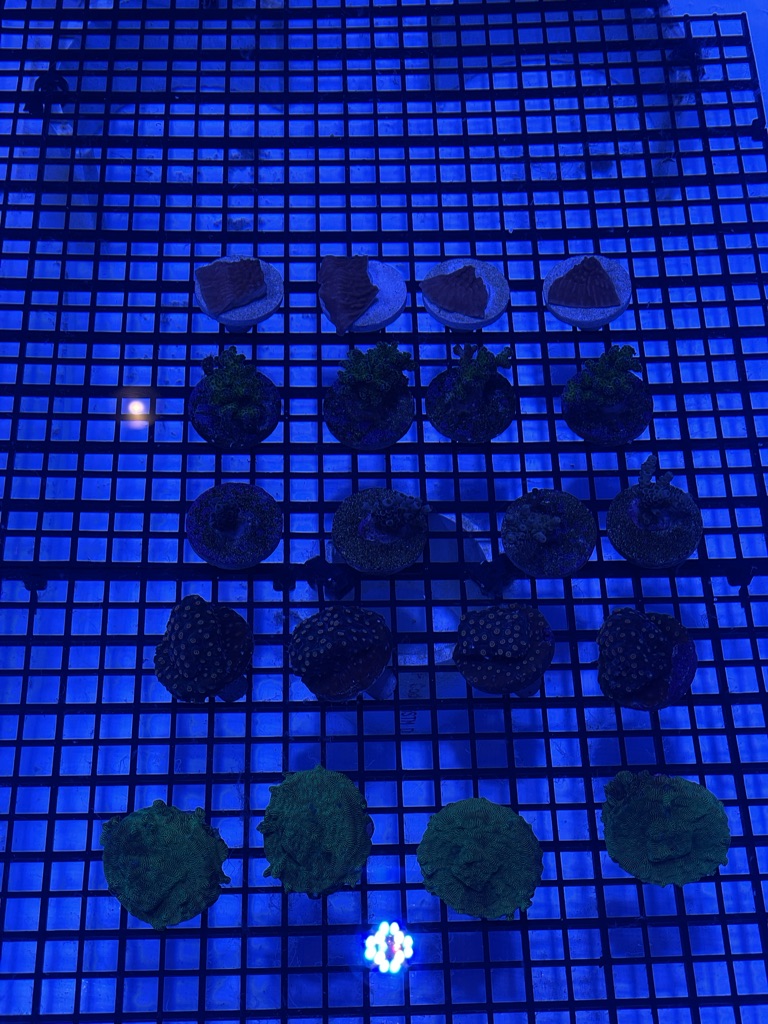
A few months ago I began my first real test on the effects of electrolysis on coral. I purchased 4 samples of 5 different coral species, weighed them, photographed them, then placed 2 samples of each in the experimental and control tanks. 1 week later, every coral in the experiment tank had died. Why?
I had tested the water, all the parameters were roughly equal. I had tested the PAR, each species was exposed to the same amount of light in both tanks. I had replenished the carbon covering the anode, so the water wasn’t contaminated with chlorine. Everything was the same, except for the presence of electrodes in the experimental tank. Simply being exposed to electrolysis doesn’t kill coral, the whole experiment is based on the fact that it boosts coral health and growth.
The death of the coral was frustrating, confusing, and dispiriting. That failure is the reason I haven’t updated this blog in a few months, but eventually I moved past that failure and discovered why I wasn’t successful.
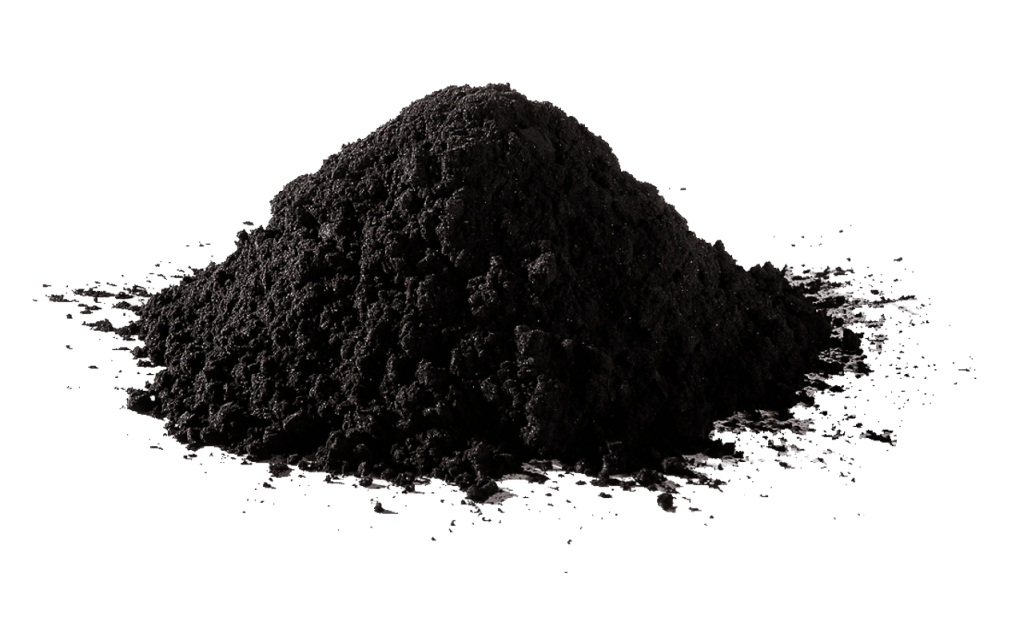
I learned that activated carbon can act as an electrode, which was a completely new idea to me. I also learned that, when acting as an electrode, activated carbon deionizes saline water. However, I wasn’t using carbon as an anode, I was just surrounding my actual anode with it. The carbon wasn’t even touching the anode, it was separated by at least an inch of water. Or so I thought, it appears that the carbon interacted with the anode and pulled salt from the water in the experimental tank.
Alright, so I had a hypothesis on why the coral died: the salt levels dropped to a level that wasn’t compatible with life. Now I needed evidence. Fortunately, after the failed experiment I took samples of both tanks and sent them to an ICP testing facility. The ICP test doesn’t test for specific gravity, but it does test both sodium and chlorine. That is actually perfect for my intentions, as specific gravity doesn’t actually measure the presence of NaCl, just the presence of ions.
The ICP test found that the experimental tank’s chlorine and sodium levels had dropped dramatically. The Chlorine content in the experimental tank was 16569.8 ppm, in the control tank, it was 21667.5 ppm. That is a 23.6% decrease in chlorine levels, but it wasn’t just the chlorine. The sodium levels in the experimental tank were 8792 ppm, 18% lower than the sodium level in the control tank(10710 ppm). Those decreases were very surprising, as we had been measuring specific gravity, and both tanks had the same measurement. Those numbers meant that somehow the activated carbon was acting as an electrode and sucking the sodium and chlorine out of the water. Awesome, I know the problem, but now I must solve it.
I don’t have a perfect solution yet, but I have 2 main ideas. Number one, I can do water changes daily to prevent the sodium and chlorine levels from dropping. That idea is feasible and would certainly work, but it is time-intensive. My second idea is to pack the area between the anode and carbon with loads of filter floss, hopefully blocking the flow of electrons from the anode to the carbon, preventing the carbon from serving as an electrode. I have yet to decide whether I will run a preliminary experiment, testing those ideas and determining the best one based on its ability to mitigate the diffusion of sodium and chlorine. The alternative is just starting an experiment using both. I am currently leaning in the direction of running a preliminary comparison because if the filter floss plan works, I would not need to do large daily water changes.
If neither strategy works, then I may be forced to remove the activated carbon from the experimental tank, which would force me to find a new way of dealing with the chlorine gas. However, that’s a problem for another day.
 Resilient Reef Research
Leave a comment