Coral is very vulnerable and can withstand little to no competition. Those traits are why they mainly live in shallow, warm water reefs, as shallow reefs lack almost all nutrients. That lack of nutrients uniquely enables coral to thrive. The zooxanthellae algae in coral polyps can produce energy with sunlight and don’t need to waste their energy building large structures as the coral works to provide that structure. In return, coral consumes both sugars released by the algae and the algae itself for energy. While that system works wonders in low-nutrient waters, in eutrophication events (or very high nutrients in the water), macroalgae quickly grow over coral and suffocate them.
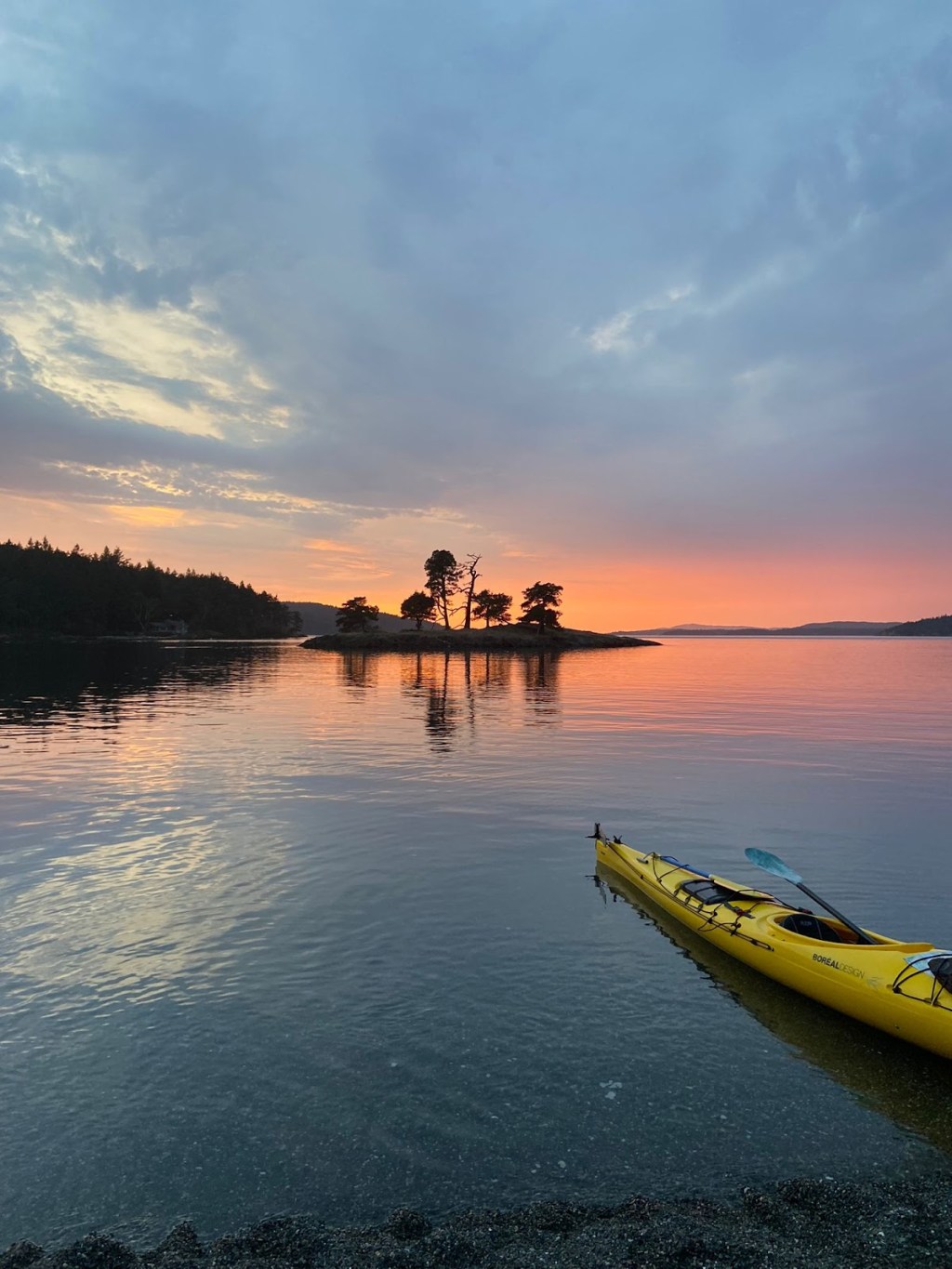
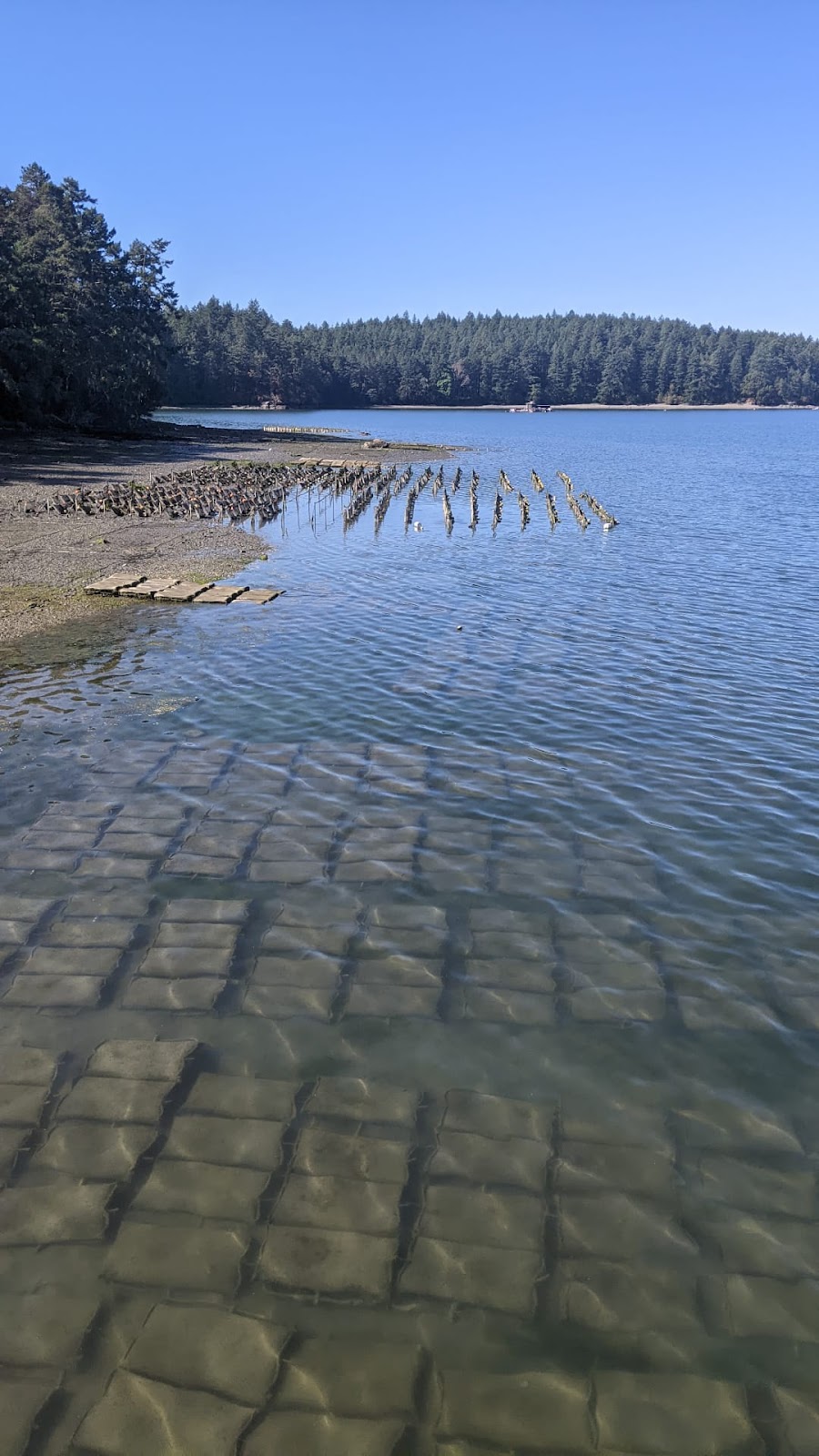
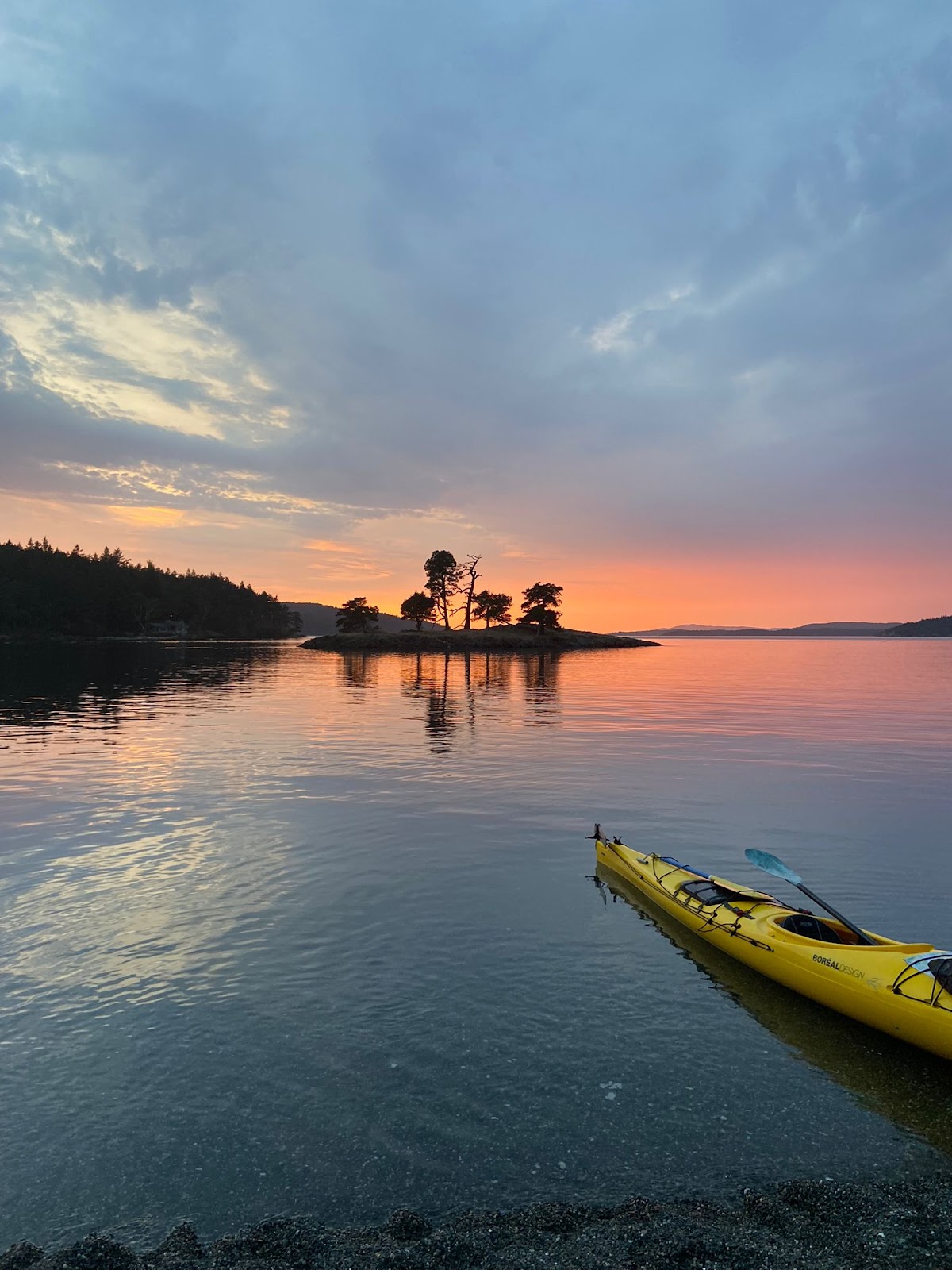
Reefs would not be anywhere near as biologically diverse if it weren’t for coral, but not all ecosystems rely on coral to thrive. For example, the Salish Sea is a hotbed of marine life and is home to many creatures. The Salish Sea is incredibly high in nutrients, which allows large quantities of fish to thrive there. Over the summer, I spent two weeks in the Salish Sea, and life’s sheer diversity and quantity astounded me. Although it is nothing compared to reefs, the water’s nutrients allow life to abound in what seems like a harsh environment. Those nutrients, however, don’t just appear; they are brought from somewhere else. Massive upwellings from the deep freezing cold nutrient-rich water into the Salish Sea.
While I am primarily interested in reefs, my investigations with Salish Sea Sciences in Washington showed me a new facet of the ocean. Cold water ecosystems are just as, if not more, important than warm water ecosystems. Unfortunately, they are much less engaging to me because of how hard it is to observe them. Believe me, it is not fun to swim in 45-degree water. Even though you may never visit the northern oceans and may never get to witness the beauty of kelp forests, try to keep them in mind. They are just as threatened as reefs and just as important.

 Resilient Reef Research
Leave a comment